
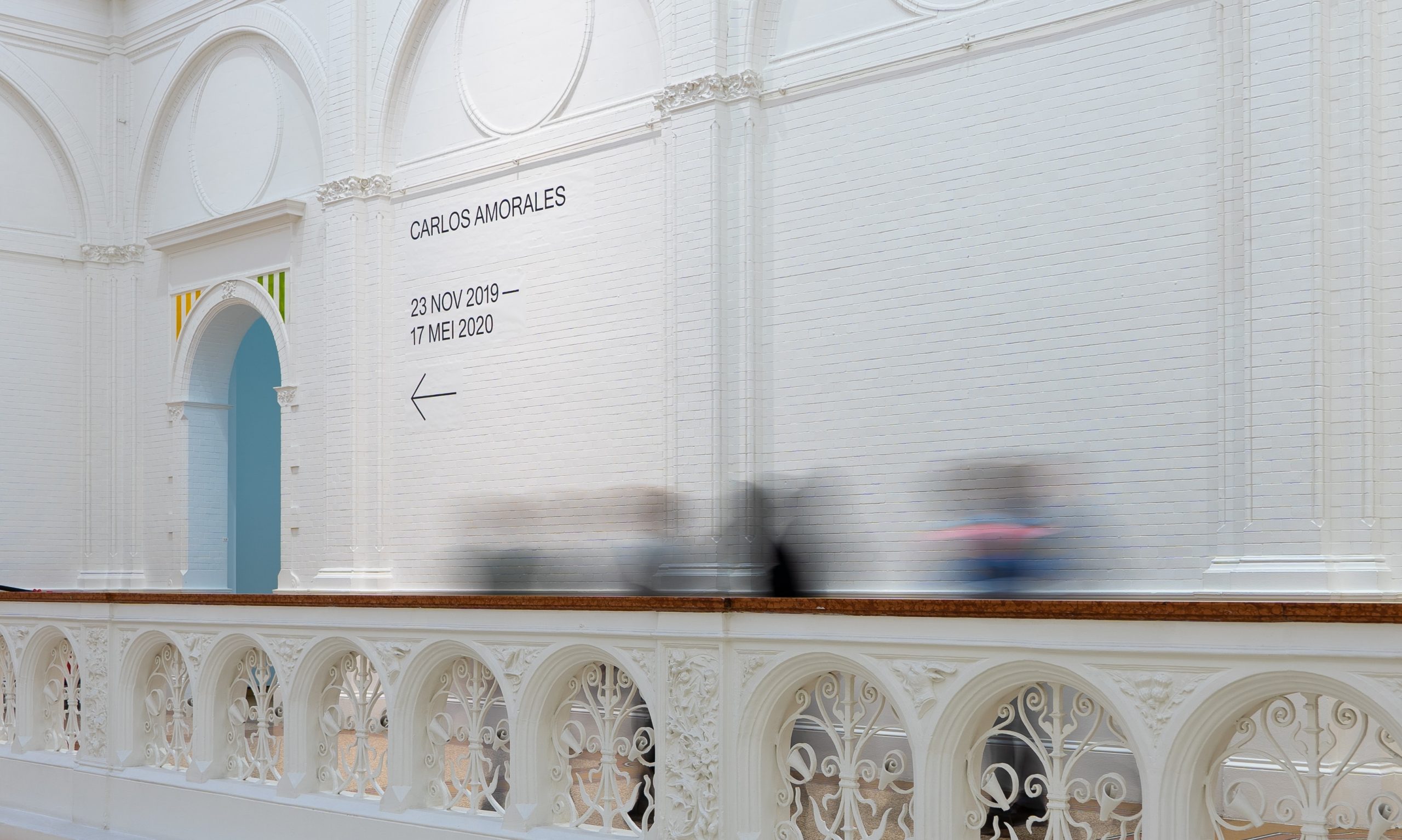
Welcome to the Sign Design Society
The Sign Design Society (SDS) is for anyone interested in information and graphic communication within buildings and public spaces, including:
- Wayfinding
- Interpretative graphics
- Brand and experiential/environmental graphics
- Statutory and health & safety signs
As well as raising the profile of our disciplines, we offer members a programme of events, resources and initiatives to help them:
- Keep up to date and improve their practice
- Find potential consultants, collaborators & employees
- Promote their work and capabilities
To join choose a membership plan that suits you and sign up!
Our events
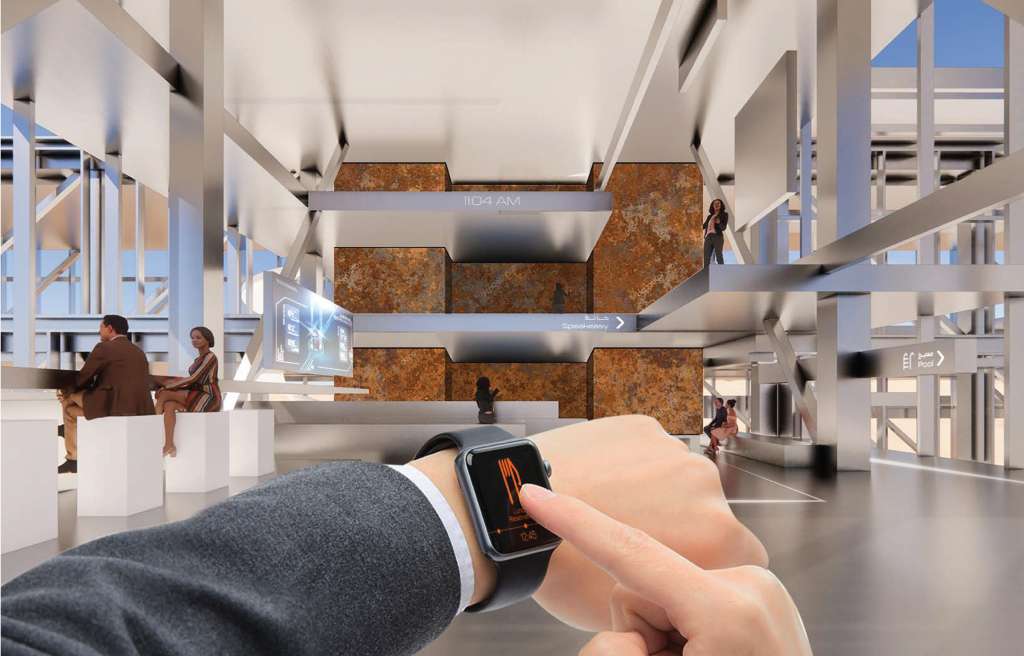
Spaceagency explores cities and architecture as living interfaces, shaping human experience through wayfinding, touchpoints, and narrative layers. Moving beyond digital screens, their work focusses on how environments communicate, influence behaviour, and evolve into hybrid realms of physical, cultural, and digital meaning. This seminar shares key projects and future insights.
Interested in a membership?

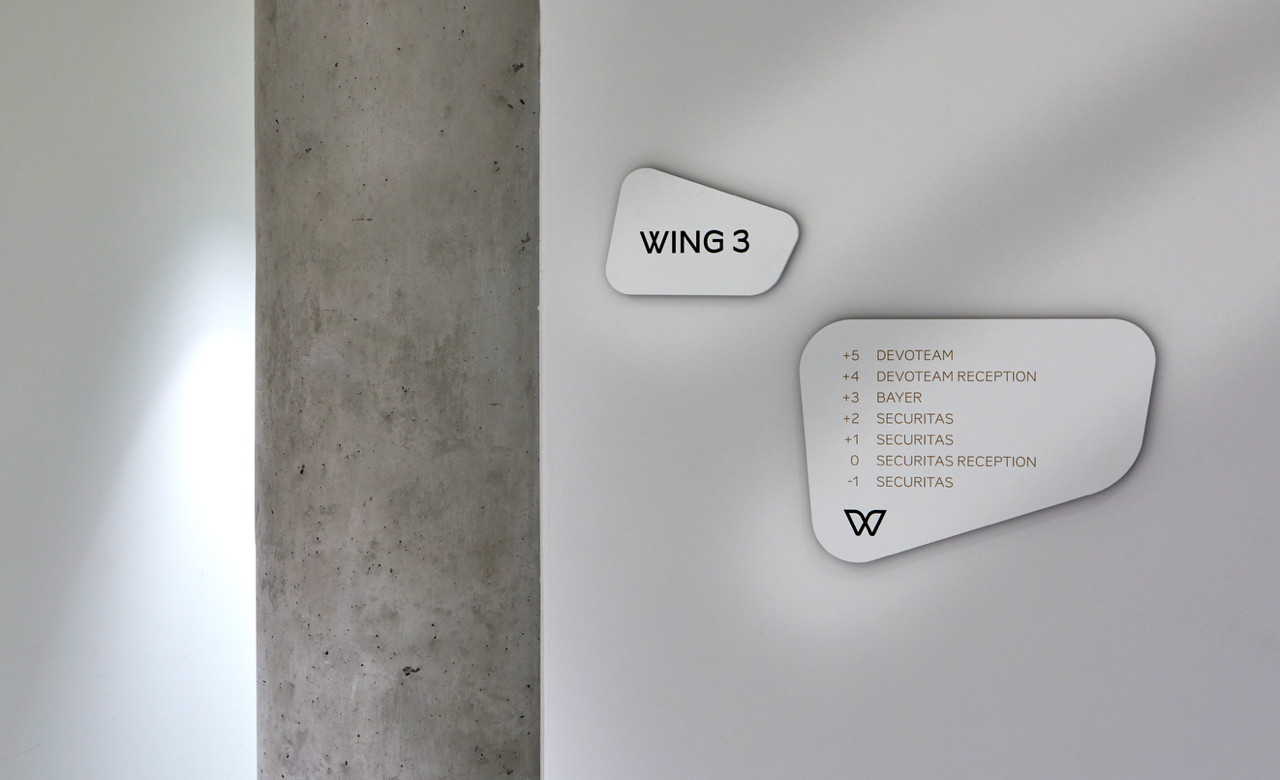
2nd edition Sign design guide now available to buy!
The new edition of the guide continues to provide practical guidance to experts and non-specialists alike, based on both best practice in inclusive design and the latest research.
Third party events
In this session, access consultant David Biggins explores some accessibility challenges in healthcare environments. This webinar covers different access requirements, key legislative requirements, best practice guidance, and relevant inclusive design principles.
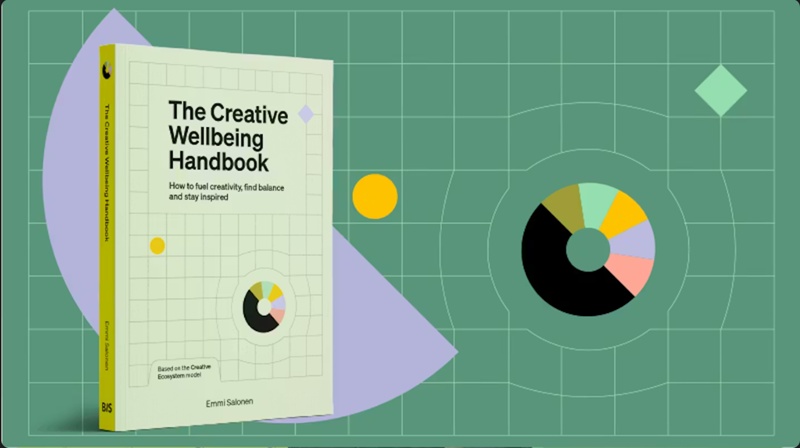
January invites a fresh start. Designer and educator Emmi Salonen introduces an evening to refuel your practice for the year ahead, anchored in her new book The Creative Wellbeing Handbook. Expect practical tools, honest conversation, and space to reconnect with why you create. This event is for anyone who’s felt stuck, overwhelmed or in need of a spark – whether you’re a designer, writer, artist, or simply trying to stay inspired while juggling life’s demands. We’ll explore Emmi’s Creative Ecosystem model and how it can help you find focus, calm pressure, and build a sustainable rhythm for making work you’re proud of.
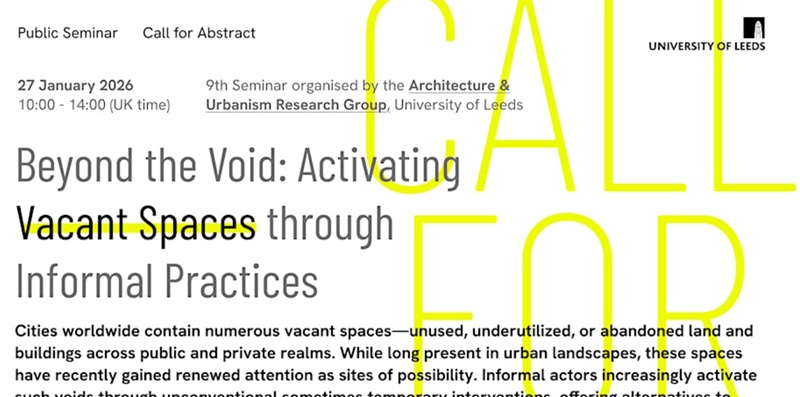
Cities worldwide contain numerous vacant spaces—unused, underutilised, or abandoned land and buildings across public and private realms. While long present in urban landscapes, these spaces have recently gained renewed attention as sites of possibility. Informal actors are increasingly activating such voids through unconventional, sometimes temporary interventions, offering alternatives to conventional public spaces, such as parks and squares, typically produced by the formal sector. This seminar explores how these informal practices transform vacant spaces into dynamic, socially meaningful places.
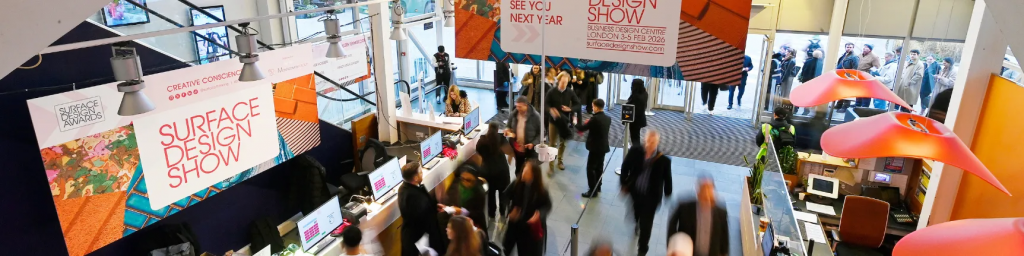
Embrace the world of material innovation! Join 6000+ architects, designers and specifiers to discover the best innovative materials for the built environment whilst also enjoying a stellar line up of guest speakers and thought-provoking installations.
Increase your understanding of how to make environments more inclusive for people living with sight loss.