
Welcome to the Sign Design Society
The Sign Design Society (SDS) is for anyone interested in information and graphic communication within buildings and public spaces, including:
- Wayfinding
- Interpretative graphics
- Brand and experiential/environmental graphics
- Statutory and health & safety signs
As well as raising the profile of our disciplines, we offer members a programme of events, resources and initiatives to help them:
- Keep up to date and improve their practice
- Find potential consultants, collaborators & employees
- Promote their work and capabilities
To join choose a membership plan that suits you and sign up!
Our events
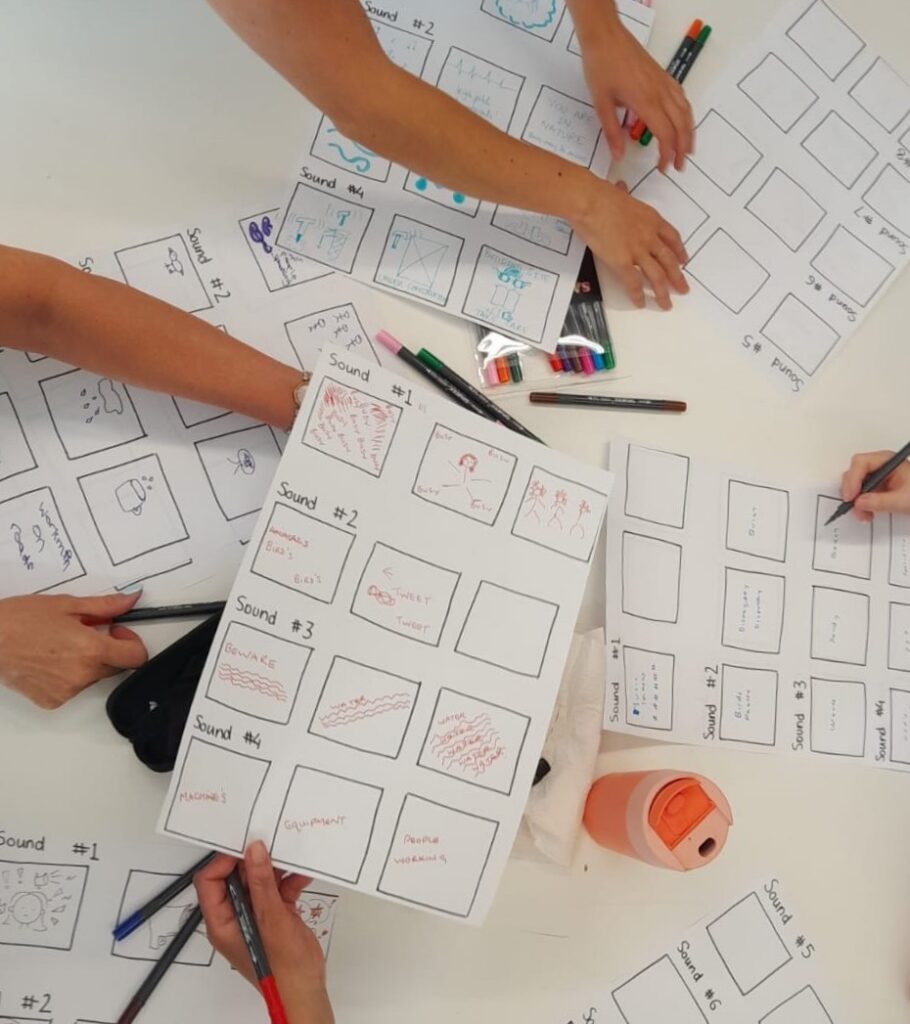
Sensory mapping is an emerging practice that helps people, especially neurodivergent individuals and those with sensory sensitivities, anticipate the sensory qualities of buildings and public spaces. Buro Happold’s research, aligned with PAS 6463 principles of clarity, choice and calm, explored how sensory maps can better reflect lived experience through co-creation, workshops, literature review and a global survey. The study highlights how sensory information is communicated, the challenges of representing sensory experiences, and the potential for sensory maps to support more inclusive wayfinding and confident navigation of the built environment.
Interested in a membership?
News

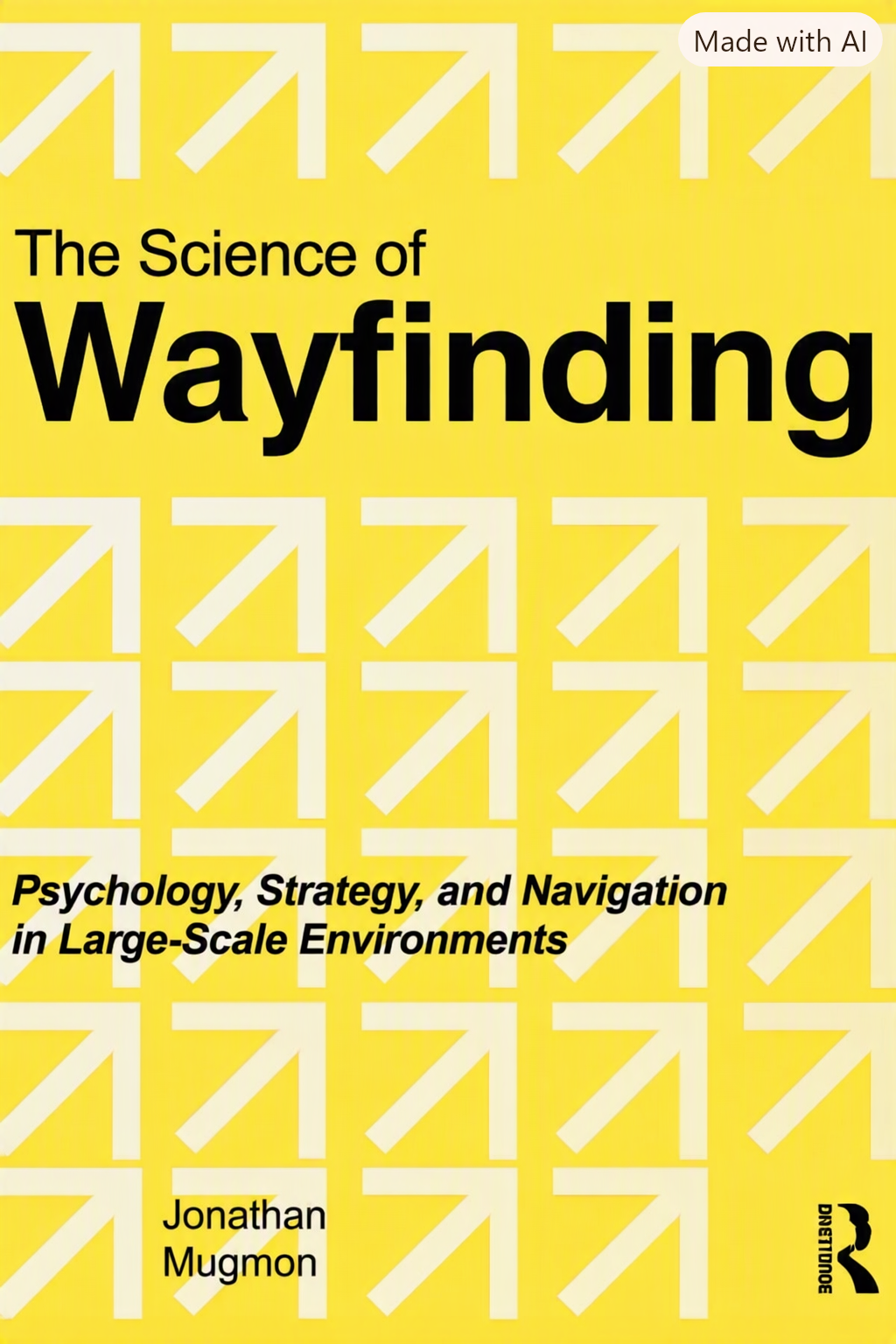
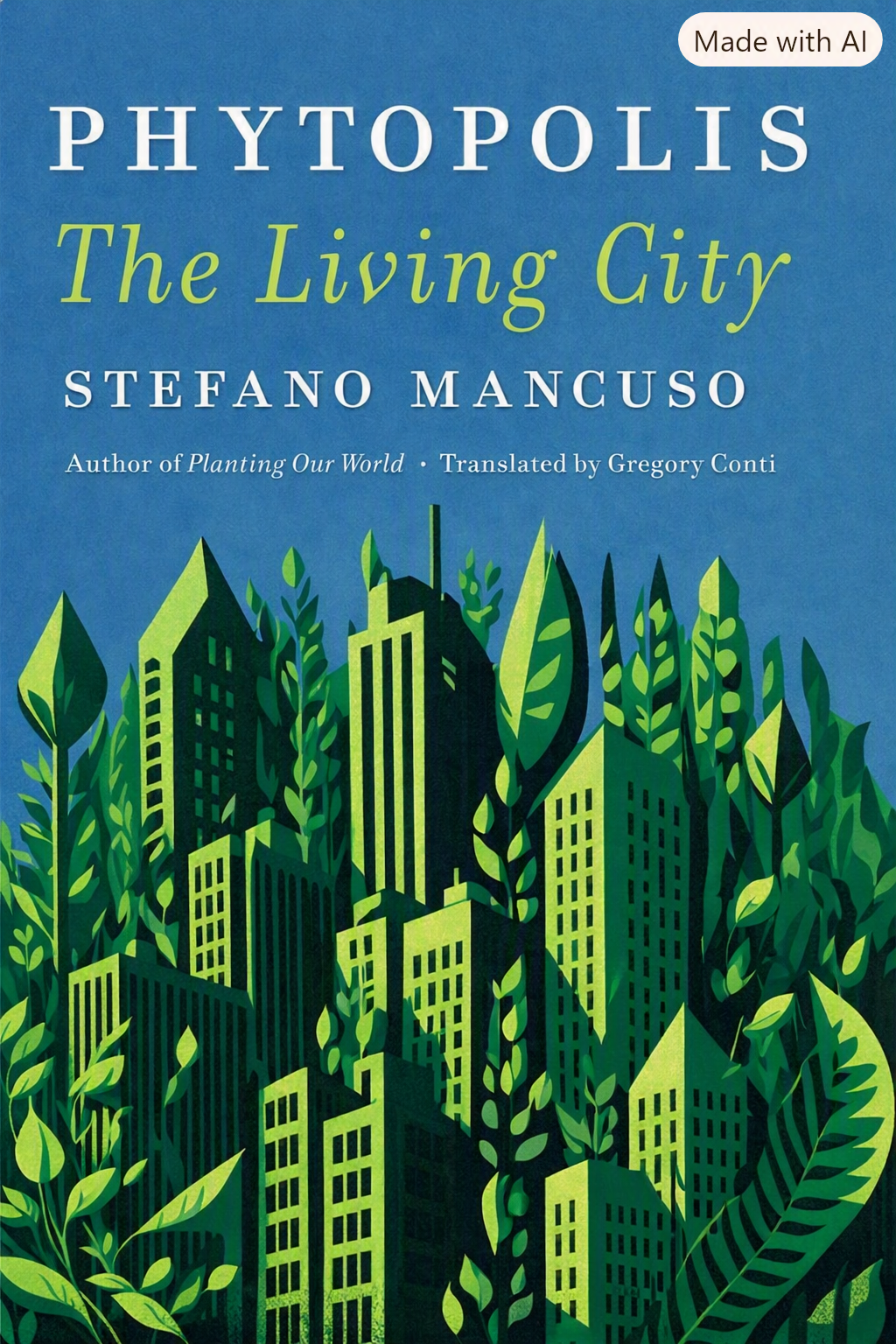
2nd edition Sign design guide now available to buy!
The new edition of the guide continues to provide practical guidance to experts and non-specialists alike, based on both best practice in inclusive design and the latest research.
Third party events
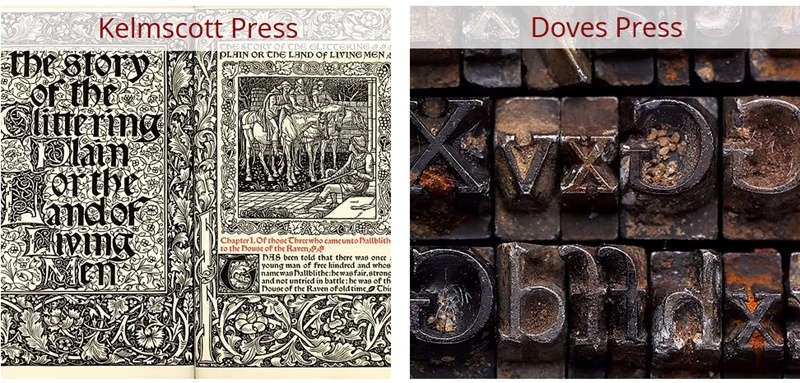
This exhibition will chart Walker’s importance in the world of typography and printing in the late 19th and early 20th centuries, from his first private press involvement with the founding and operation of William Morris’s Kelmscott Press (1891–1898), his partnership with Thomas James Cobden-Sanderson at the Doves Press (1900–1917), through to his final printing collaboration with Wilfred Merton and Bruce Rogers.
To mark the Center’s 40th anniversary, we are launching Open Flat File, a lecture series inspired by the ethos of the Flat File website, The ten designers and artists listed below were invited into our archive of nearly 80,000 objects to select a single work to study closely and respond to. They will then translate their research into both a public lecture and a poster that reinterprets and contextualizes the object they chose.
Lectures are free and open to the public.
RSVP is required and will be made available closer to the event.
Spring 2027
Spring 2027
Spring 2027
Spring 2027
Presented by
With support from
and
Open Flat file
marks the tenth year of the publication and the Center’s 40th anniversary with a ten-part lecture series. Ten designers, artists, and researchers are invited to each select a single object from the collection and will respond to it through a free public talk at The Cooper Union.
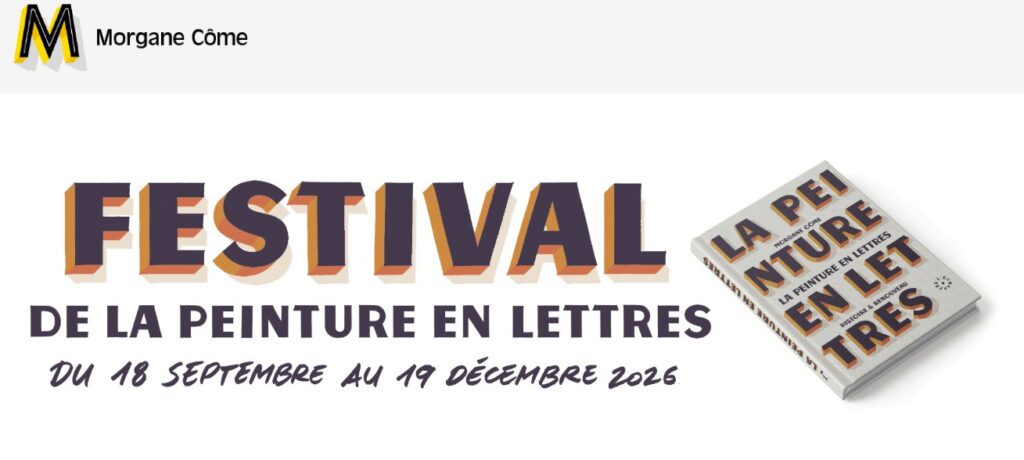
La Peinture en Lettres is a festival celebrating the art, history and contemporary revival of sign painting, organised alongside the publication of Morgane Côme’s book Letter Painting: History & Revival. Through walks, talks, panel discussions, screenings and encounters with practitioners, the programme explores a rich and often overlooked craft, highlighting the skills, culture and enduring relevance of hand-painted lettering today.
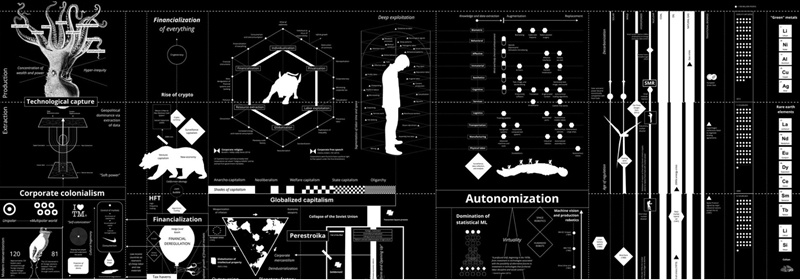
MoMA’s first devoted entirely to information design, Full Disclosure features 30 works of digital and analogue information design, including six newly acquired works. This exhibition will explore the many ways in which humans visualise information and how designers, operating in an increasingly complex digital world, can facilitate and shape our understanding.
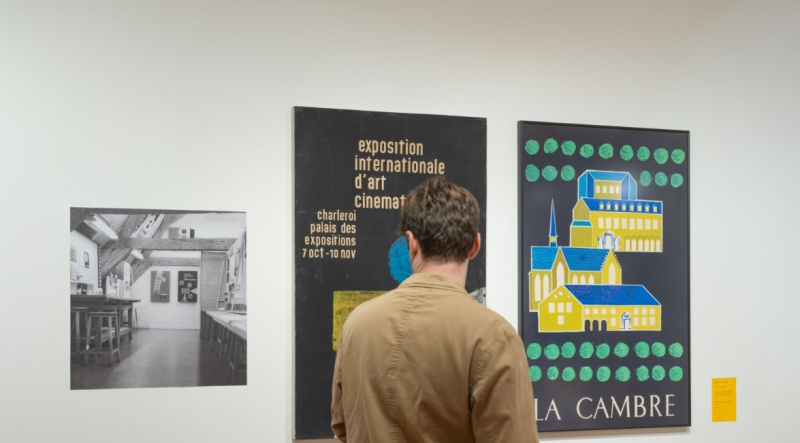
Juvenilia: 100 Years of Typography and Book Design at La Cambre is a centenary exhibition celebrating the Brussels art and design school’s rich legacy in typography, graphic design, bookbinding and print culture. Presented at the Wittockiana Museum, it brings together a century of student work, revealing how generations of designers and artists have shaped and reimagined the graphic arts through experimentation, craftsmanship and innovation.